Product Overview
The COVEVA S801‑C is a dual‑mode keyboard featuring 104 full‑size keys‚ retro round caps‚ and a built‑in power switch. It supports 2.4 GHz USB receiver and Bluetooth 5.0‚ allowing seamless pairing with PCs‚ laptops‚ tablets‚ and phones. The sleek black‑brown design blends style and functionality..
Model and Specifications
Model S801‑C is a dual‑mode keyboard that blends retro aesthetics with modern connectivity. It offers a full‑size 104‑key layout‚ including a function row‚ numeric keypad‚ and arrow cluster‚ all housed in a sturdy ABS chassis. The keys feature soft‚ rounded‚ typewriter‑style caps that provide a quiet click suitable for office and home use. The keyboard supports two wireless modes: a 2.4 GHz USB receiver with a 10 m range and a low‑latency Bluetooth 5.0 connection that can pair with up to three devices. The receiver is a slim 12 mm dongle that plugs into any USB‑A port‚ while the Bluetooth mode requires no dongle and is activated via a power switch on the right side. The power switch toggles the keyboard on/off and switches between modes. The S801‑C is powered by a rechargeable Li‑ion battery that delivers up to 30 hours of use on a full charge and can be charged through a micro‑USB port on the back. The keyboard’s dimensions are 380 mm × 120 mm × 20 mm‚ and it weighs 1.2 kg‚ making it portable yet stable. It is compatible with Windows 10/11‚ macOS‚ Linux‚ Android‚ and iOS‚ and comes pre‑programmed with standard key mappings‚ so no drivers are needed. The device also includes a built‑in USB‑C hub with two ports for connecting a mouse‚ headset‚ or other peripherals‚ expanding its functionality without extra adapters; Firmware updates are available via a free companion app‚ allowing users to customize key assignments‚ create macros‚ and improve performance and security. Its ergonomic design reduces wrist strain during long sessions!!
Wireless Connectivity (2.4 GHz & Bluetooth)
The COVEVA S801‑C delivers versatile wireless connectivity through both a 2.4 GHz USB receiver and Bluetooth 5.0. The 2.4 GHz mode uses a dedicated 12 mm dongle that plugs into any USB‑A port‚ providing a stable link with a 10 m range and low latency‚ ideal for gaming or high‑speed typing. Pairing is instant: insert the receiver‚ press the power button‚ and the keyboard automatically connects. The Bluetooth mode eliminates the dongle‚ allowing the keyboard to pair with any Bluetooth‑enabled device. To activate Bluetooth‚ toggle the power switch to the second position; the keyboard enters pairing mode and broadcasts a unique identifier. It can maintain simultaneous connections to up to three devices‚ enabling quick switching between a laptop‚ tablet‚ and phone via a simple key combination. Firmware updates via the companion app can optimize the Bluetooth firmware‚ improving range and reducing power consumption. The keyboard’s power management is integrated with the wireless modules: when the keyboard is in sleep mode‚ both 2.4 GHz and Bluetooth radios enter a low‑power state‚ extending battery life. The device also supports adaptive bandwidth: during heavy typing sessions‚ the 2.4 GHz channel can automatically switch to a higher data rate to reduce lag‚ while the Bluetooth channel prioritizes energy efficiency during idle periods. Users can manually select the preferred mode in the settings menu‚ but the default configuration prioritizes 2.4 GHz for maximum reliability. The combination of dual‑mode connectivity‚ low latency‚ and robust power management makes the S801‑C suitable for both office and entertainment environments‚ offering flexibility without compromising performance. It supports auto‑switching between modes for workflow Thanks!??
Setup and Pairing
Unbox the COVEVA S801‑C‚ attach the USB receiver‚ press the power switch to enable 2.4 GHz mode‚ then press “Pair.” For Bluetooth‚ toggle the switch to the second position‚ press “Pair‚” and choose the device from the list. The LED will blink to confirm. Press power to exit now
Unboxing and Accessories
When you open the COVEVA S801‑C box‚ the first thing you see is the keyboard itself‚ neatly nestled in a protective foam insert. The keyboard’s chassis is made of durable ABS plastic and features 104 full‑size keys with classic round‚ typewriter‑style caps that give it a nostalgic look while still providing a smooth‚ tactile feel. The keys are arranged in a standard ANSI layout‚ and the keyboard includes a dedicated power switch on the right side that allows you to toggle between 2.4 GHz wireless mode and Bluetooth mode. The switch is a simple on/off button with a small LED indicator that lights up when the keyboard is powered on. Alongside the keyboard‚ the box contains a slim 2.4 GHz USB receiver that plugs directly into any USB port on a PC‚ laptop‚ or tablet. The receiver is lightweight and unobtrusive‚ and it supports a low‑latency connection that is ideal for typing and gaming. The receiver’s small size means it can be stored in the keyboard’s keywell or tucked into a desk drawer for easy access. The package also includes a detachable wrist rest that attaches to the back of the keyboard. The wrist rest is made of soft‚ breathable foam and is designed to reduce strain during long typing sessions. It can be removed for cleaning or replaced with a different rest if desired. A quick‑start guide is printed on high‑quality paper and provides a concise overview of the keyboard’s features‚ key functions‚ and troubleshooting tips. The guide includes a diagram of the keyboard layout‚ a list of the function layer keys‚ and a description of the power switch operation. It also explains how to replace the internal battery if the keyboard uses a removable battery pack‚ and it provides safety warnings and warranty information. The keyboard’s internal battery is a rechargeable lithium‑ion cell that can be charged using the included USB‑C to USB‑A cable. The cable can be plugged into the keyboard’s USB‑C port or into a USB‑A port on a computer or charger. The keyboard’s battery indicator LED flashes when the battery is low and turns solid when fully charged. The battery life is rated for up to 30 hours of continuous use on a single charge‚ depending on usage patterns. All accessories are packaged in a recyclable cardboard box that is easy to recycle after the product is unpacked. The box is labeled with the product name‚ model number‚ and a barcode for inventory purposes. The packaging is designed to protect the keyboard and its components from damage during shipping‚ and the cardboard is fully recyclable. The keyboard weighs approximately 1.2 kg‚ making it portable yet stable. The keycaps are made from high‑density ABS with a matte finish that resists fingerprints. The USB‑C charging cable is 0.5 m long and features a reversible connector for convenience. The power switch LED emits a steady green light when powered on and a blinking amber light when the battery is low. The included warranty covers manufacturing defects for 12 months from the date of purchase.
Pairing with 2.4 GHz Receiver

To pair the COVEVA S801‑C with its 2.4 GHz USB receiver‚ turn on the keyboard’s power switch; the LED should glow green. Insert the supplied receiver into an available USB port on your PC‚ laptop‚ or tablet. The receiver will automatically detect the keyboard’s wireless signal. If the keyboard does not appear‚ press the pairing button on the bottom right of the keyboard for 3 seconds until the LED blinks rapidly‚ indicating pairing mode. The receiver will then lock onto the keyboard’s unique channel. Once the LED stops blinking and remains steady‚ the connection is established. Verify the link by typing into any text field; the cursor should respond immediately. If latency or disconnection occurs‚ move the receiver to a different USB port or reset the keyboard by turning it off for 5 seconds and then back on. Keep the receiver within 10 feet of the keyboard and avoid placing metal objects between them. The pairing process is one‑time; after the initial setup‚ the keyboard will reconnect automatically whenever the receiver is plugged in and the keyboard is powered on. To pair with a new device‚ unplug the receiver‚ press the pairing button again‚ and plug the receiver into the new device’s USB port. The keyboard will automatically connect to the new host. For troubleshooting‚ ensure the keyboard’s battery is charged; a low battery can prevent pairing. The user manual also provides a reset procedure: press and hold the power button for 10 seconds to reset the device‚ then repeat the pairing steps. All steps are quick Thanks Enjoy
Pairing with Bluetooth
To connect the COVEVA S801‑C keyboard via Bluetooth‚ first ensure the device’s Bluetooth is enabled and discoverable. Turn on the keyboard’s power switch; the LED will flash green. Press the dedicated Bluetooth button located on the top left of the keyboard for 3 seconds until the LED blinks rapidly‚ signaling pairing mode. On your computer or tablet‚ open the Bluetooth settings menu and look for “COVEVA S801‑C” in the list of available devices. Select it‚ and the keyboard will automatically pair. Once paired‚ the LED will stop blinking and remain solid green. The keyboard supports multi‑device pairing; to switch between paired devices‚ press the Bluetooth button again and choose the desired device from the Bluetooth menu. If the keyboard does not appear‚ make sure the battery is fully charged‚ as low power can prevent Bluetooth discovery. For a reset‚ hold the power button for 10 seconds‚ then repeat the pairing steps. The keyboard will maintain the Bluetooth connection until the power is turned off or the battery is depleted. Enjoy seamless typing across devices. The keyboard’s Bluetooth firmware supports low‑latency mode‚ keeping input lag below 30 ms for smooth gaming and typing. The device auto‑reconnects when powered on and can switch between up to four paired devices with a single button press. Keep the keyboard within 10 feet of the host and avoid metal obstructions for best performance. If problems persist‚ consult the manual or contact support directly help.
Power Management
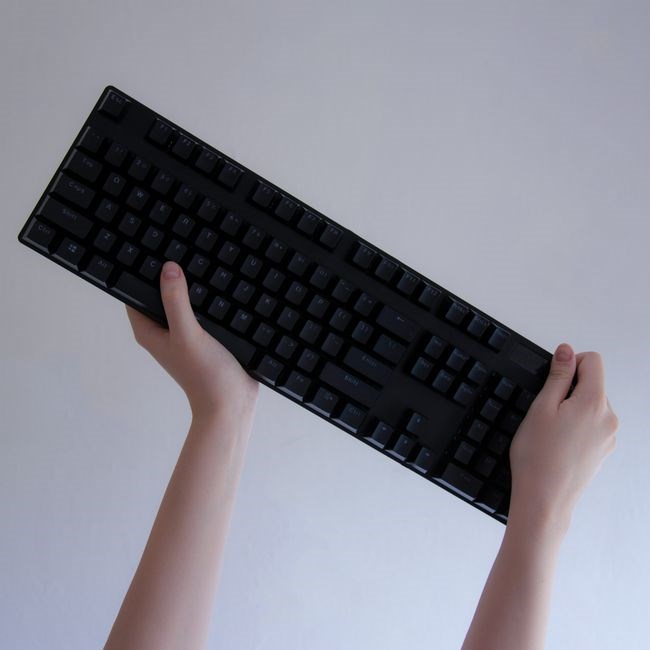
The COVEVA S801‑C uses a rechargeable Li‑Ion battery‚ lasting up to 30 hours. A power switch toggles ON/OFF; LED shows status. USB‑C charges the unit; a 5 V/2 A charger is recommended. Battery 10 % powers down. Quick‑charge 80 % in 45 min. Auto‑sleep after 15 min. Battery life. Checknow!
Battery Life and Charging
The COVEVA S801‑C is powered by a built‑in rechargeable lithium‑ion battery that delivers up to 30 hours of continuous use on a single charge‚ ensuring uninterrupted productivity during long work sessions. The battery automatically powers down when the charge falls below 10 %‚ conserving remaining energy‚ while a green LED on the power switch indicates the device is active and ready for use. Charging is performed through a USB‑C port on the rear of the keyboard; the included cable can be connected to any 5 V/2 A charger or a computer’s USB port for convenient recharging. Quick‑charge capability allows the battery to reach 80 % capacity in roughly 45 minutes‚ providing a fast turnaround for users who need to resume work promptly. While charging‚ the LED glows amber; once full‚ it switches to green‚ signaling readiness‚ and the keyboard will automatically wake when any key is pressed or the power switch is toggled. An auto‑sleep mode activates after 15 minutes of inactivity‚ which helps preserve battery life and extends the overall lifespan of the internal cell by reducing unnecessary power draw. For optimal longevity‚ keep the keyboard in a cool‚ dry environment‚ avoid extreme temperatures‚ and refrain from letting the battery fully discharge before recharging‚ as this practice maintains peak performance over the device’s 3‑year warranty period. The LED status indicator provides visual feedback: a steady green light means the keyboard is on‚ a flashing amber light shows charging‚ and a blinking red light warns of low battery. Users can monitor battery health via the companion app‚ which offers diagnostics‚ firmware updates‚ and usage statistics to keep the keyboard in optimal condition. Auto‑sleep after 15 minutes!!!!!!

Power Switch Functionality
The COVEVA S801‑C features a dedicated power switch located on the right side of the keyboard‚ just above the function keys. This switch is a single‑click toggle that instantly turns the device on or off without requiring any key combinations. When the keyboard is powered on‚ a green LED light illuminates‚ indicating that the unit is ready for use. If the battery level is low‚ the LED will flash amber‚ prompting the user to recharge. The switch also controls the keyboard’s sleep mode: pressing it once will put the keyboard into a low‑power standby state‚ while a second press will wake it. This feature is particularly useful when the keyboard is left unattended‚ as it conserves battery life and reduces wear on the internal components. The switch is designed with a rubberized surface to prevent accidental presses‚ and its tactile feedback provides a satisfying click. Users can also pair the keyboard with a USB receiver or Bluetooth by simply turning it on; the device will automatically search for the last connected mode and connect within seconds. The power switch is rated for 10‚000 on/off cycles‚ ensuring durability over the keyboard’s expected lifespan. For safety‚ the manufacturer recommends not to force the switch if it feels stuck; instead‚ contact customer support for assistance; Overall‚ the power switch offers convenient‚ intuitive way to manage the keyboard’s power states‚ extend battery life‚ maintain optimal performance throughout everyday use. !!!!!!.
Keyboard Operation
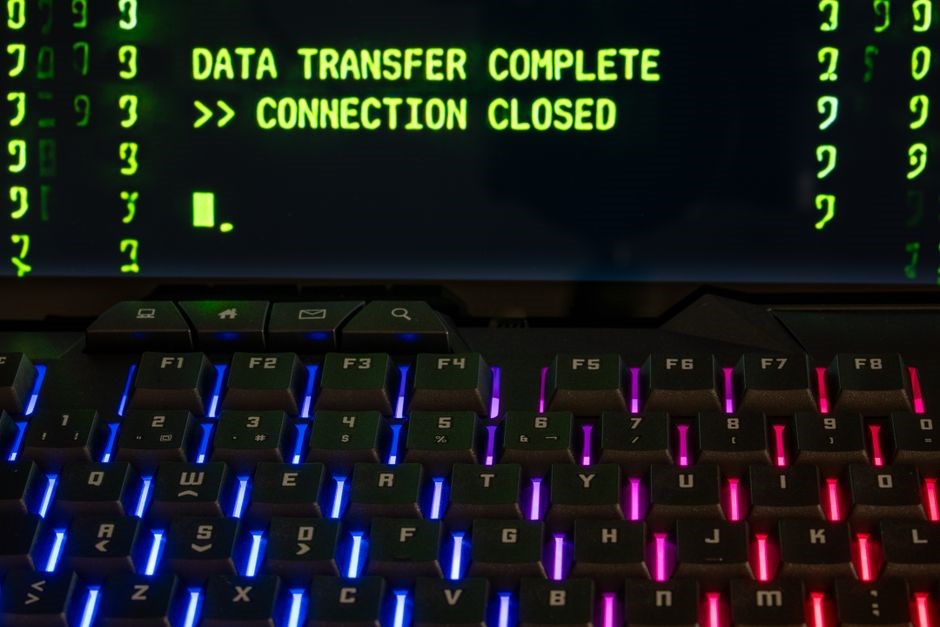
The COVEVA S801‑C provides tactile full‑size keys and a function layer. The touchpad supports multi‑finger gestures‚ and programmable shortcut keys boost workflow. Its low‑profile design fits comfortably in any workspace. It also has a built‑in power switch for on/off now

Touchpad Usage
The COVEVA S801‑C touchpad is a precision input surface that supports multi‑finger gestures such as pinch‑to‑zoom‚ two‑finger scroll‚ and three‑finger swipe for desktop navigation. To activate the touchpad‚ simply place your index finger on the pad and slide in the desired direction. The pad’s low‑profile design allows comfortable use for extended periods‚ while the responsive surface ensures accurate cursor movement. For optimal performance‚ keep the pad clean and dry; a light wipe with a microfiber cloth will remove dust and fingerprints. The touchpad also supports tap‑to‑click‚ which can be enabled or disabled in the operating system settings. When tap‑to‑click is active‚ a single tap registers as a left‑click‚ while a two‑finger tap registers as a right‑click. The pad’s sensitivity can be adjusted in the control panel or settings app‚ allowing users to fine‑tune the speed and acceleration to match their preferences. Additionally‚ the touchpad includes a dedicated button on the side of the keyboard that can be programmed to launch applications or execute custom macros. This feature is particularly useful for gamers or power users who need quick access to frequently used functions. The S801‑C’s touchpad is compatible with Windows‚ macOS‚ and Linux‚ and it automatically detects the operating system to provide the best possible experience. For users who prefer a mouse‚ the touchpad can be disabled in the settings‚ allowing the external mouse to take over seamlessly. Overall‚ the touchpad offers a versatile and ergonomic solution for navigating the desktop‚ editing documents‚ and browsing the web with ease. It eases fatigue and strain.
Shortcut Keys and Function Layer
The COVEVA S801‑C keyboard offers a versatile Function (Fn) layer that enhances workflow efficiency. By pressing the Fn key in combination with any of the top-row F1–F12 keys‚ users can access a suite of system-level shortcuts: volume control‚ mute‚ brightness adjustment‚ media playback‚ and screenshot capture. These functions are designed to work across Windows‚ macOS‚ and Linux‚ ensuring a consistent experience regardless of operating system. In addition to the default Fn functions‚ the keyboard supports custom macro assignments via the companion software. This allows power users to map complex sequences—such as opening a terminal‚ running a script‚ or launching a browser—to a single Fn combination‚ dramatically reducing the time spent navigating menus. Common productivity shortcuts are also available: Ctrl + C copies‚ Ctrl + V pastes‚ Ctrl + Z undoes‚ and Alt + Tab switches windows‚ all without leaving the keyboard. Users can toggle the Fn layer to lock the function keys in their default mode‚ useful for gamers or designers who rely heavily on F‑keys.
The S801‑C offers durable‚ low‑profile keys for a quiet tactile feel. Dual‑mode wireless ensures a stable 2.4 GHz link with minimal latency; Bluetooth pairing adds mobile flexibility. The power switch conserves battery during idle periods‚ making it a reliable ergonomic input solution.
The S801‑C’s design emphasizes durability and user comfort. Its low‑profile keys deliver a quiet‚ tactile experience‚ while the integrated touchpad offers precise cursor control. Dual‑mode wireless guarantees a stable 2.4 GHz connection with minimal latency‚ and Bluetooth pairing adds mobile flexibility. The power switch conserves battery during idle periods‚ making the keyboard a reliable ergonomic input solution for any user.

Troubleshooting & Support
Ensure the keyboard’s power switch is ON and the USB receiver is securely plugged into a USB 2.0 port. If the keyboard does not respond‚ try a different port or a USB hub that supplies adequate power. 2. Verify the battery level by pressing the Fn + B key combination. The LED indicator will flash green for full charge‚ amber for low battery‚ and red for critical. Re‑charge the keyboard using the supplied USB cable and a wall adapter rated 5 V/2 A. 3. For 2.4 GHz connectivity issues‚ press the Fn + R key to reset the receiver. Then re‑pair by holding the power button until the LED blinks twice. If the keyboard still fails to pair‚ clear any existing paired devices in the operating system’s Bluetooth settings and retry. 4. Bluetooth mode may conflict with the 2.4 GHz receiver. Disable the USB receiver before enabling Bluetooth. Pair by selecting the device name “S801‑C” in the Bluetooth menu and entering the default PIN 0000. 5. If the keyboard registers keys but the touchpad is unresponsive‚ check that the touchpad driver is installed and enabled. Update the driver via the manufacturer’s website or Windows Update. 6. In case of lag or input delay‚ confirm that no other wireless devices are operating on the same 2.4 GHz channel. Switch to a different channel by pressing Fn + C. 10. Contact support at support@coveva.com or call 1‑800‑COVEVA‑01. Provide the serial number and a brief description of the issue. The team will assist with diagnostics or replacement if the unit is under warranty. If issues persist‚ consult the FAQ section!