Kado Bar Charging Instructions: A Comprehensive Guide (Updated 03/26/2026)
Kado Bar devices, known for bold flavors and smooth draws, require proper charging for optimal performance; this guide details everything you need to know.
Understanding Kado Bar Devices
Kado Bar devices have rapidly become a trendsetter in the e-cigarette technology landscape since 2018, pioneering modern disposable vaping experiences. These devices are specifically designed for adult users aged 21 and over, seeking a premium THC vaping alternative with a focus on delivering bold and satisfying flavors.
The core mission driving Kado’s innovation is to maximize device efficiency and elevate flavor excellence, all while upholding the highest health and safety standards. Kado Bars offer a diverse range of options, from classic fruit blends to invigorating menthol varieties, each meticulously crafted to provide a consistently smooth and flavorful vaping session. Understanding the device’s core principles is crucial before delving into charging procedures, ensuring a safe and enjoyable experience.
What is a Kado Bar?
A Kado Bar is a disposable vape device designed to deliver a premium vaping experience, characterized by bold flavors and smooth draws. Catering to adult vapers aged 21+, these devices offer a convenient and flavorful alternative within the THC vaping market. Kado distinguishes itself through a commitment to innovation, having established itself as a leader in e-cigarette technology since 2018.
Each Kado Bar is meticulously crafted, offering a variety of flavor profiles – from traditional fruit combinations to refreshing menthol options. Beyond the vaping experience, Kado also operates as a digital business card platform, showcasing its diverse technological capabilities. The focus remains on maximizing efficiency and flavor, while prioritizing user health and safety, making it a popular choice for discerning vapers.
Kado Bar Flavors and Strengths
Kado Bars boast a diverse selection of flavors, meticulously designed to cater to a wide range of preferences. From classic fruit blends – think vibrant strawberry, juicy mango, and crisp apple – to invigorating menthol options, there’s a Kado Bar to suit every palate. These flavors are engineered to deliver a burst of taste with each draw, enhancing the overall vaping experience.
Beyond flavor, Kado Bars are available in various strengths, allowing users to customize their experience. These devices are specifically formulated for adult users aged 21 and over seeking a premium THC vaping option. Kado’s dedication to quality ensures consistent flavor delivery and reliable performance, solidifying its position as a trendsetter in the disposable vape market since 2018.
Disposable vs. Rechargeable Kado Bars
Kado Bar offers both disposable and rechargeable options, catering to diverse user preferences. Traditional disposable Kado Bars are designed for single-use convenience, providing a pre-filled, pre-charged experience until the battery and e-liquid are depleted. These require no charging, offering simplicity and portability.
However, Kado also innovates with rechargeable models, extending the lifespan of the device and reducing waste. These models feature a charging port (typically USB-C) allowing users to replenish the battery and continue enjoying their favorite flavors. Choosing between disposable and rechargeable depends on individual needs – disposables prioritize convenience, while rechargeables offer longevity and potential cost savings. Understanding this distinction is crucial before considering charging procedures.
Charging Your Kado Bar: Key Considerations
Before charging, identify if your Kado Bar is rechargeable, select a compatible cable, and locate the charging port for a safe experience.
Identifying Rechargeable Kado Bar Models
Determining whether your Kado Bar is rechargeable is the first crucial step before attempting to power it up. Not all Kado Bar devices are created equal; some are designed as single-use disposable vapes, while others feature rechargeable capabilities for extended use and reduced environmental impact.
Generally, rechargeable models will explicitly state this feature on their packaging or product description. Look for keywords like “rechargeable,” “Type-C charging,” or imagery depicting a charging cable connected to the device. Disposable Kado Bars, conversely, will not have a visible charging port and are intended for single-use until the battery is depleted.
If you’re unsure, consult the official Kado website or the retailer where you purchased the device. Examining the device itself for a USB-C port (the most common type for rechargeable Kado Bars) is also a quick way to identify a rechargeable model. Remember, attempting to charge a non-rechargeable Kado Bar can be dangerous and will likely damage the device.
Compatible Charging Cables & Adapters
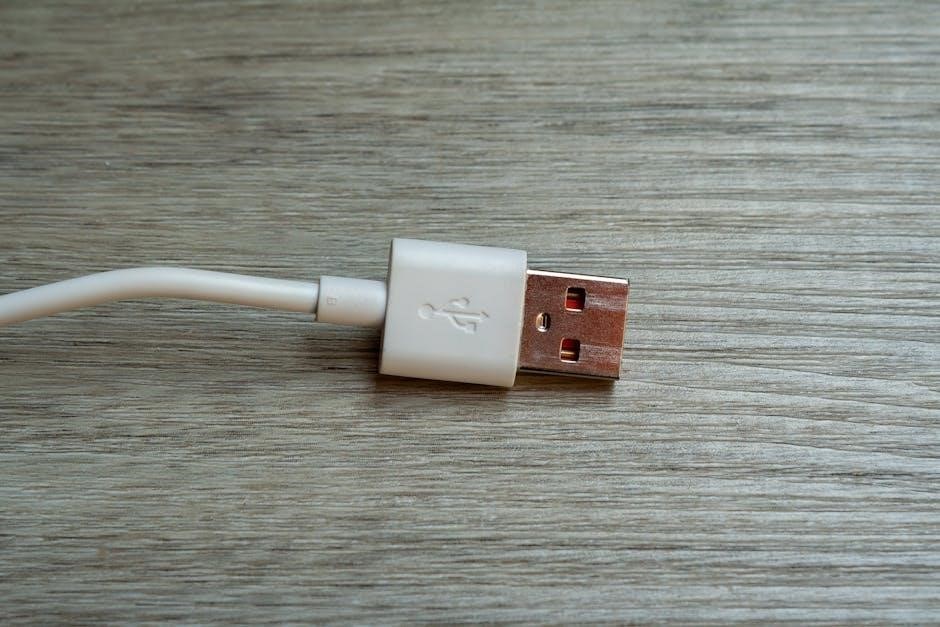
To ensure safe and efficient charging of your rechargeable Kado Bar, using compatible cables and adapters is paramount. The vast majority of newer Kado Bar models utilize a USB-C charging port, requiring a USB-C to USB-A or USB-C to USB-C cable. Avoid using damaged or frayed cables, as these can pose a safety hazard and impede the charging process.
While Kado Bar devices are generally compatible with standard 5V/1A or 5V/2A USB power adapters, utilizing a certified charger is highly recommended. Certified chargers adhere to safety standards, minimizing the risk of overcharging or damaging the device’s battery. Avoid using fast-charging adapters unless specifically indicated as compatible, as they may deliver excessive power.
Using an incompatible or low-quality adapter can lead to slow charging times, incomplete charges, or even permanent battery damage. Prioritize quality and safety when selecting your charging accessories for a consistently optimal vaping experience with your Kado Bar.
Charging Port Location & Type (USB-C, etc.)
Identifying the charging port location and type on your Kado Bar is crucial for successful recharging. Most contemporary Kado Bar devices feature a USB-C port, a modern standard offering faster charging speeds and increased reliability compared to older micro-USB connections. The USB-C port is typically located on the bottom of the device, though some models may position it on the side.
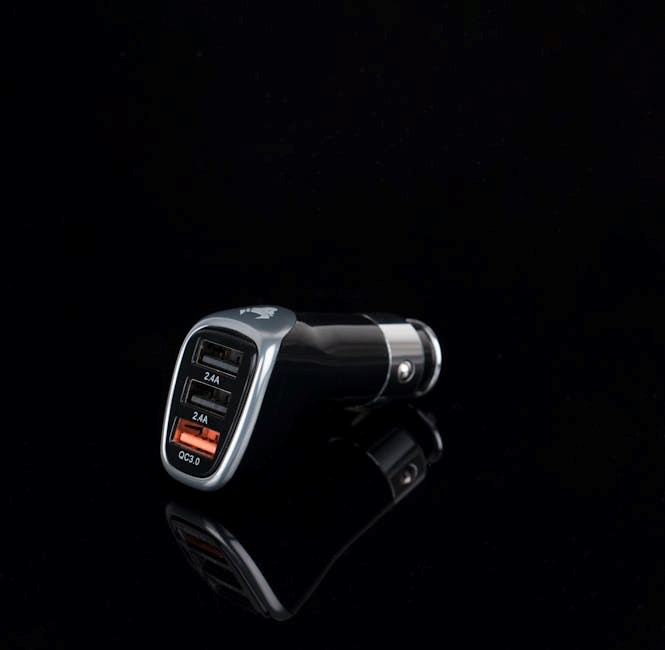
Visually inspect your Kado Bar to confirm the port type; USB-C ports are oval-shaped and reversible, meaning you can insert the cable either way. Older, non-rechargeable Kado Bar disposables will not have a charging port, as they are designed for single-use and are not intended to be recharged.
Always ensure the port is clean and free of debris before attempting to connect a charging cable. A damaged or obstructed port can prevent proper charging and potentially harm the device.
Step-by-Step Charging Instructions
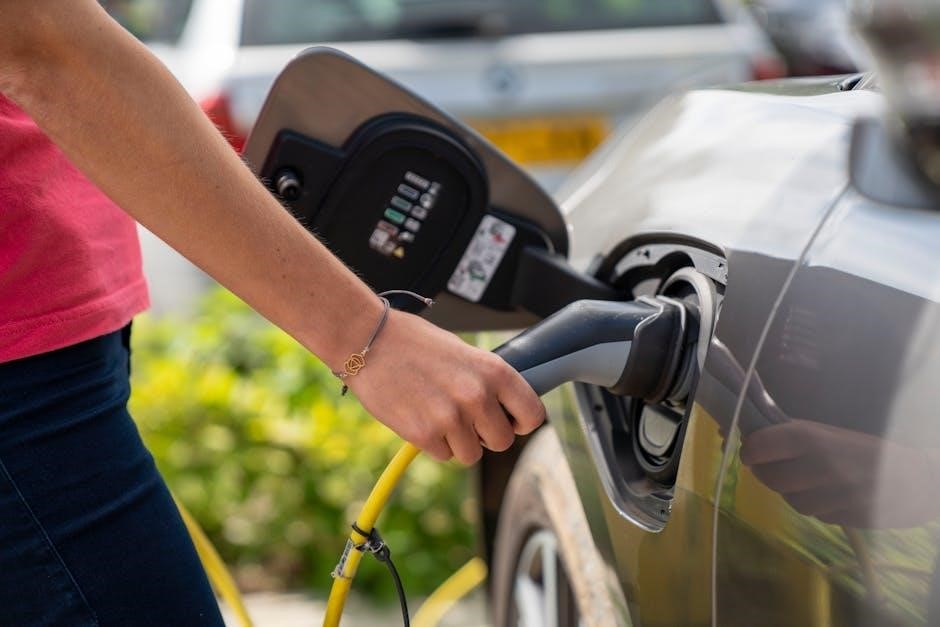
Kado Bar charging is simple: connect a compatible USB-C cable to the port and a power source, then monitor the indicator light.
Initial Charging Procedure for New Devices
Upon receiving your new Kado Bar, a full initial charge is crucial for maximizing battery life and ensuring optimal performance. Before the very first use, connect the provided or a compatible USB-C cable to the charging port of your device and a reliable power source.
Allow the Kado Bar to charge completely – typically indicated by a change in the indicator light’s color or pattern (refer to the ‘Charging Time & Indicator Lights’ section for specifics). This initial charge may take slightly longer than subsequent charges, often around 60-90 minutes.
Avoid interrupting the initial charging cycle. A complete first charge establishes a healthy baseline for the battery, contributing to the longevity and consistent operation of your Kado Bar. Disregarding this step could potentially diminish the device’s overall lifespan and vaping experience.
Standard Charging Process
For routine charging of your Kado Bar, connect the appropriate USB-C cable to the device’s charging port and a suitable power adapter or USB port. Ensure a secure connection to facilitate efficient charging. Unlike the initial charge, standard charging times will generally be quicker, depending on the remaining battery level.
Monitor the indicator light; it will typically pulse or change color while charging and signal completion when fully charged. Avoid using fast-charging adapters unless specifically recommended, as they could potentially damage the battery.
Once fully charged, disconnect the Kado Bar promptly to prevent overcharging. Regular, mindful charging practices will contribute to the sustained performance and longevity of your vaping device, ensuring a consistently enjoyable experience with those bold Kado Bar flavors.
Charging Time & Indicator Lights
Typical charging times for Kado Bars vary based on the device model and initial battery level, but generally range from 30 to 60 minutes for a full charge. New devices may require a slightly longer initial charging period to fully activate the battery. Pay close attention to the indicator light for real-time charging status.
A pulsing light usually signifies that the device is actively charging, while a solid light often indicates a full charge. Some models may utilize different color codes – for example, red for charging and green for fully charged. Refer to your specific Kado Bar’s documentation for precise indicator light meanings.
Consistent monitoring of the indicator light ensures you don’t overcharge or interrupt the charging process prematurely, maximizing battery health and device performance.
Troubleshooting Charging Issues
If your Kado Bar isn’t charging, common problems include cable issues, port obstructions, or battery malfunctions; let’s explore solutions for a smooth vaping experience.
Kado Bar Not Charging: Common Causes
Several factors can prevent your Kado Bar from charging effectively; A frequently encountered issue is a faulty or damaged charging cable; try using a different, known-working USB-C cable to rule this out. Another common culprit is a blocked or dirty charging port – carefully inspect the port for lint, debris, or residue and gently clean it with a dry, soft brush or compressed air.
Battery-related problems can also hinder charging. If the battery is deeply discharged or nearing the end of its lifespan, it might not accept a charge. In some instances, the internal circuitry responsible for managing the charging process could be malfunctioning. Finally, ensure the charging adapter itself is functioning correctly by testing it with another compatible device. Remember, using non-certified chargers can sometimes cause charging inconsistencies or damage.
Resolving Charging Port Problems
If your Kado Bar’s charging port appears to be the issue, a gentle cleaning is the first step. Power off the device and use a can of compressed air to carefully dislodge any lint, dust, or debris that may be obstructing the connection. Avoid using liquids or sharp objects, as these can cause internal damage.
If compressed air isn’t sufficient, a soft, dry toothbrush can be used to gently brush around the port’s opening. Inspect the port visually for any bent pins or physical damage. If damage is present, the device may require professional repair or replacement. Ensure the charging cable is fully and securely inserted into the port; a loose connection can prevent charging. Trying a different USB-C cable can also help isolate the problem.
Battery Health & Charging Best Practices
To maximize the lifespan and performance of your Kado Bar’s battery, avoid completely draining it before recharging. Frequent full discharge-recharge cycles can degrade battery health over time. Instead, aim to recharge when the battery reaches around 20-30% capacity.
Consistent use of certified chargers is crucial, as they deliver the correct voltage and current, preventing damage. Avoid leaving your Kado Bar plugged in for extended periods after it’s fully charged; this can lead to overcharging and reduced battery life. Store your device in a cool, dry place, away from direct sunlight and extreme temperatures, which can negatively impact battery performance.
Safety Precautions During Charging
Kado Bar safety demands avoiding overcharging, utilizing certified chargers, and responsibly disposing of used devices to ensure user well-being and environmental protection.
Avoiding Overcharging
Overcharging a Kado Bar, while seemingly harmless, can significantly degrade the battery’s lifespan and potentially compromise device safety. Modern Kado Bar devices, particularly rechargeable models, often lack the sophisticated circuitry found in smartphones to halt charging once full capacity is reached. Consequently, prolonged connection to a power source after full charge can lead to heat buildup and internal damage.
To mitigate this risk, it’s crucial to disconnect your Kado Bar immediately upon reaching a full charge, indicated by the device’s LED light. Avoid leaving the device plugged in overnight or unattended for extended periods. Regularly monitoring the charging process is a simple yet effective preventative measure. Prioritizing mindful charging habits will ensure a longer-lasting and safer vaping experience with your Kado Bar.
Using Certified Chargers
Employing certified chargers is paramount when powering your Kado Bar device, safeguarding both its functionality and your personal safety. Non-certified or counterfeit chargers often lack essential safety mechanisms, potentially delivering inconsistent voltage or overheating during operation. This can inflict irreversible damage to the battery and internal components of your Kado Bar, voiding any warranty and creating a fire hazard.
Opt for chargers adhering to recognized safety standards, such as those bearing a UL or CE certification. These certifications guarantee the charger has undergone rigorous testing for safety and performance. Utilizing the original charger supplied with your Kado Bar is always the recommended course of action. Prioritizing quality chargers ensures a stable and secure charging process, preserving the longevity of your device.
Proper Disposal of Used Kado Bars
Responsible disposal of used Kado Bars is crucial for environmental protection and public safety. These devices contain electronic components and lithium-ion batteries, which require specialized handling. Discarding them in regular trash can lead to soil and water contamination, posing significant ecological risks. Never attempt to disassemble a Kado Bar yourself, as this can expose you to hazardous materials.
Instead, seek out designated e-waste recycling facilities in your area. Many retailers that sell vaping products also offer recycling programs. Check with your local waste management authority for specific guidelines on electronic waste disposal. Proper recycling ensures valuable materials are recovered and harmful substances are safely contained, contributing to a sustainable future and preventing potential environmental damage.
Kado Bar Device Efficiency & Technology
Kado Bar has been a trendsetter in e-cigarette technology since 2018, consistently pushing boundaries in device efficiency and flavor excellence. Their commitment extends beyond simply delivering a satisfying vape; it’s about optimizing the entire user experience through innovative engineering. Kado focuses on maximizing battery life and vapor production while adhering to stringent health standards.
The brand’s dedication to research and development results in devices designed for reliable performance and consistent flavor delivery. This includes careful selection of materials and precise manufacturing processes. Kado aims to provide a premium vaping experience, blending cutting-edge technology with bold flavor profiles, ensuring each Kado Bar offers a smooth and enjoyable session.